
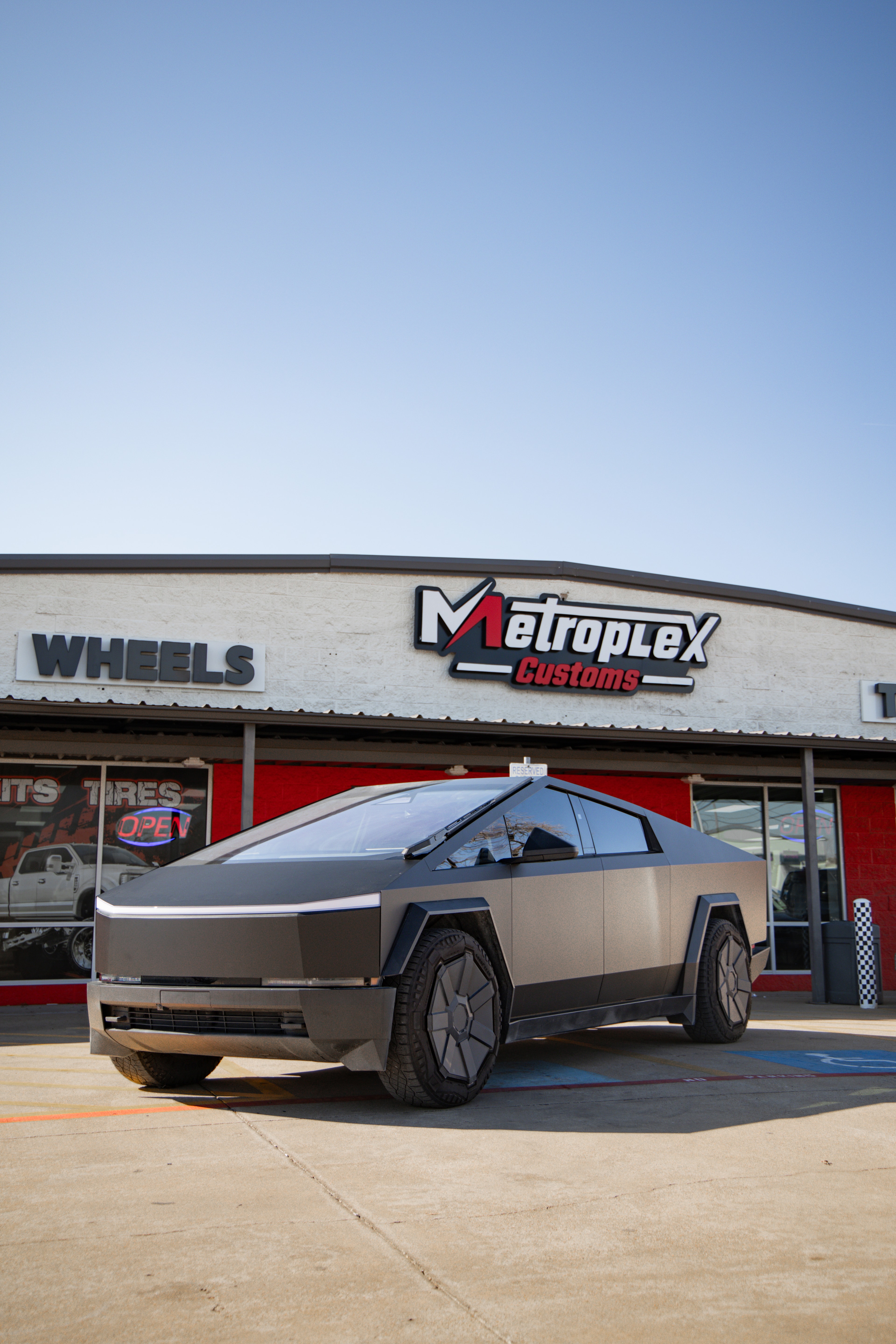
CeramicWindow Tint
A parked car in Irving hits 160°F cabin temperature by noon in July. Ceramic window film rejects up to 98% of infrared heat and 99% of UV without the metallic layer that kills your cell signal, so the AC stops fighting the sun and your dash stops cracking. We install XPEL, 3M, LLumar, and SunTek film computer-cut to your exact vehicle, then verify every window with a VLT meter before you drive off.
Preview Your Window Tint
Wondering how 20% looks on your car before you commit? Upload a photo, pick a percentage, and see the result on your own vehicle. We'll flag it if the shade you picked is not street legal in Texas.
Configuration
V 0.11Vehicle
2Darkness
Swatches preview on your own vehicle once you upload a photo.
3Coverage
Film Tiers
Every film looks the same on day one. What separates them is what happens after two Texas summers. Here is how the three tiers we install actually differ.
Dyed Film
The entry-level option, and the one we talk most customers out of. A dye layer blocks glare and gives you privacy, but it rejects very little infrared heat and fades toward purple after a few years of direct DFW sun. We stock it for budget builds and short-term leases where cost drives the decision.
Carbon Film
Carbon particles replace the dye, so the film holds its color for the life of the vehicle and never turns purple. Heat rejection lands in the 40 to 50% range and there is no metal to interfere with GPS, tire pressure sensors, or remote start. The value pick for daily drivers.
Ceramic Film
Nano-ceramic particles reject up to 98% of infrared heat and 99% of UV while staying signal-transparent. This is what we install on almost every vehicle that comes through the Irving shop, because in a climate that runs 100°F+ for weeks at a time, the heat rejection is what you actually feel.
Texas Transportation Code
How Dark Can You Legally Go in Texas?
Texas measures tint by VLT, or Visible Light Transmission. Lower VLT means darker glass. The state sets a floor on your front windows and leaves the rest to you.
| Glass Area | Texas Legal Limit | What We Install |
|---|---|---|
| Windshield | Non-reflective film on the top 5 inches or above the AS-1 line, whichever is lower | A clear or near-clear ceramic IR film across the full windshield, which is legal because it is not a darkening tint, plus a matched visor strip up top |
| Front Side Windows | Must allow more than 25% of light through, so 25% VLT is the floor | 35% ceramic for a factory-correct look with margin above the limit, or 30% when you want darker and still want to pass a meter check |
| Back Side Windows | Any darkness permitted | Matched to your front windows for a uniform look, or 20% and 5% when you want privacy in the second row |
| Rear Windshield | Any darkness permitted when the vehicle has dual side mirrors | Whatever matches the back sides. Every vehicle we tint this dark gets a mirror check first |
Not sure which VLT clears inspection on your vehicle? We check it with a meter before you leave. Ask us about your build | ||
Red, amber, and blue films are prohibited on the windshield and front side windows. Reflectivity is capped at 25% on both front and back side windows.
Texas requires a compliance label between the film and the glass on the driver side window. We install one on every vehicle, every time.
Medical exemptions for conditions like lupus or photosensitivity are available with a signed statement from a licensed physician or optometrist. Bring it with you and keep a copy in the vehicle.
Tinting the rear windshield requires dual side mirrors. We confirm your vehicle has them before we install anything on the back glass.
This summary is provided for general guidance and reflects our understanding of Texas tint regulations at the time of writing. Statutes change and enforcement varies by jurisdiction. Confirm current requirements with the Texas Department of Public Safety or a qualified attorney before making a decision based on this page.
The Metroplex Advantage
Why Choose
Metroplex?
Tint is a craft job. The film is only half of it. The other half is a clean room, a plotter cut to your exact glass, and an installer who knows how a Tesla rear window behaves differently than an F-250 slider. We control all three in our Irving bay.
Computer-Cut Patterns, Not Hand Blades
Every panel is plotted from a vehicle-specific pattern database and cut off the glass. No razor touches your windows, so there is no risk of scoring the glass or slicing a defroster line on the rear deck.
Dust-Controlled Install Bay
Tint contamination is dust, and dust is permanent. We install in a filtered, humidity-managed bay rather than an open garage, which is why our glass comes out clean instead of speckled with the specks you only notice in direct sunlight.
Meter-Verified Before You Leave
We read every tinted window with a VLT meter after install and hand you the numbers. You leave knowing exactly where your front windows sit relative to the 25% legal floor, not guessing based on what the box said.
Customers ask for 5% because they want the car to feel cooler, and darkness is not what does that. VLT measures visible light. Heat is infrared, and it is a completely separate spec. A 35% ceramic film will drop your cabin temperature more than a 5% dyed film will, while keeping your front windows street legal and your night visibility intact. Ask any shop for the IR rejection number, not just the VLT. If they cannot tell you, they are selling you darkness and calling it heat rejection.
The Process
Consultation & VLT Selection
We walk your vehicle, check factory privacy glass on the rear, discuss how you drive and park, and land on a VLT per window that hits your look without putting you over the Texas limit up front.
Glass Prep & Decontamination
Every window is stripped of old film if present, scraped of adhesive residue, then cleaned with a slip solution and squeegeed until there is nothing left for the film to trap.
Pattern Cut & Heat Shrink
Film is plotted to your exact make and model, then heat-shrunk on the outside of the curved glass so it conforms to the compound curve before it ever goes on the inside.
Install, Meter & Cure
Panels are set, edges tucked, and every window read with a VLT meter. We apply your Texas compliance label and walk you through the three to five day cure window before you roll the windows down.
Avoid These Pitfalls
Common Mistakes We Fix
A large share of the tint work in our bay is removal and reinstall. These are the four reasons why.
Chasing 5% and Failing Inspection
Limo tint on the front windows looks great in the parking lot and costs you a citation on Highway 114. Texas requires more than 25% VLT up front. We build the look you want with darker rear glass, where the law leaves it open.
Metallic Film That Kills Your Signal
Older metallized films reject heat by reflecting it, and that same metal layer blocks cell service, GPS, tire pressure sensors, and remote start. Ceramic film gets the same heat rejection with zero signal interference.
Purple, Bubbled Dyed Film
Cheap dyed film breaks down under constant UV. Two or three Texas summers in and the adhesive fails, the dye oxidizes toward purple, and the whole car needs stripping. Removal costs more than doing it right the first time.
Bubbles and Contamination From Open-Air Installs
Every speck of dust that lands between the film and the glass stays there permanently. Shops that tint in an open bay next to a grinding station hand you glass that looks fine in the shade and terrible in direct sun.
Our Portfolio
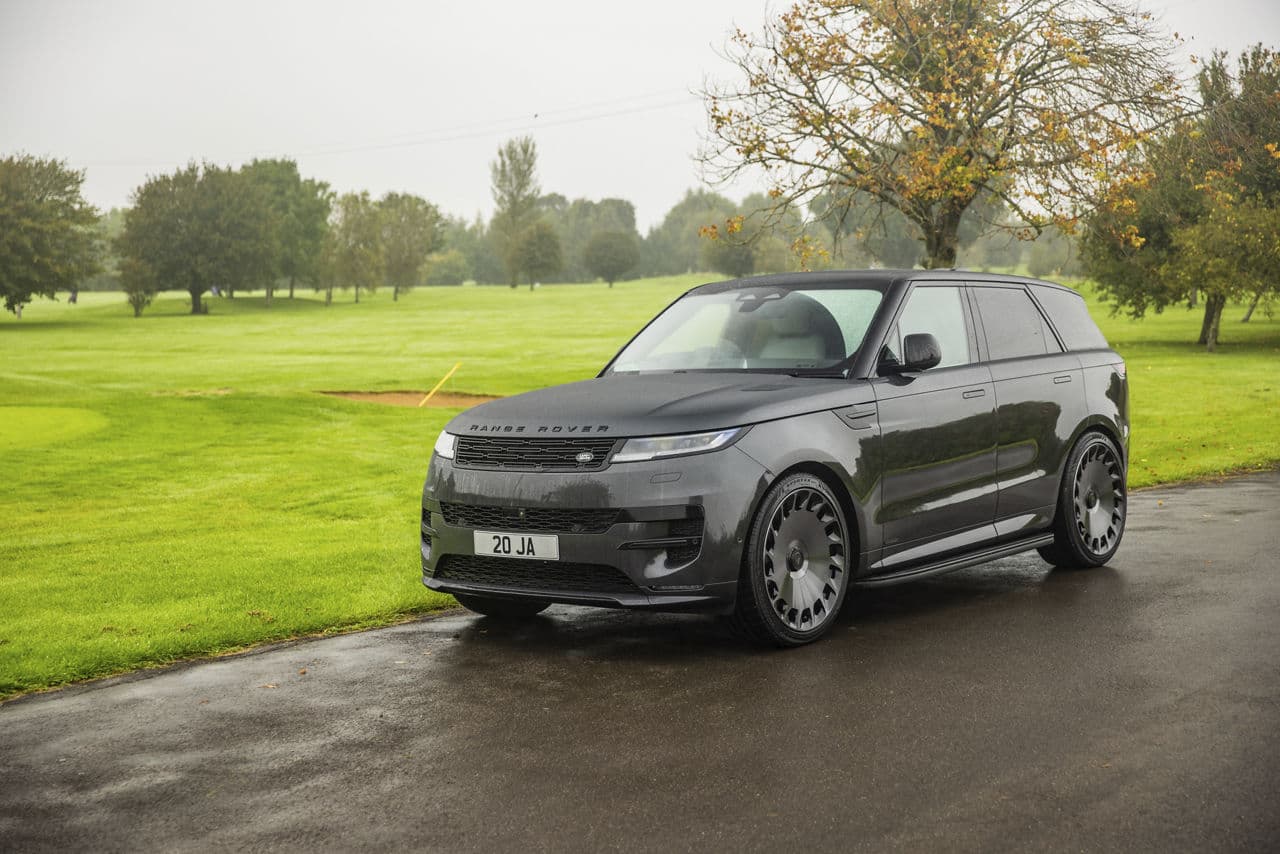
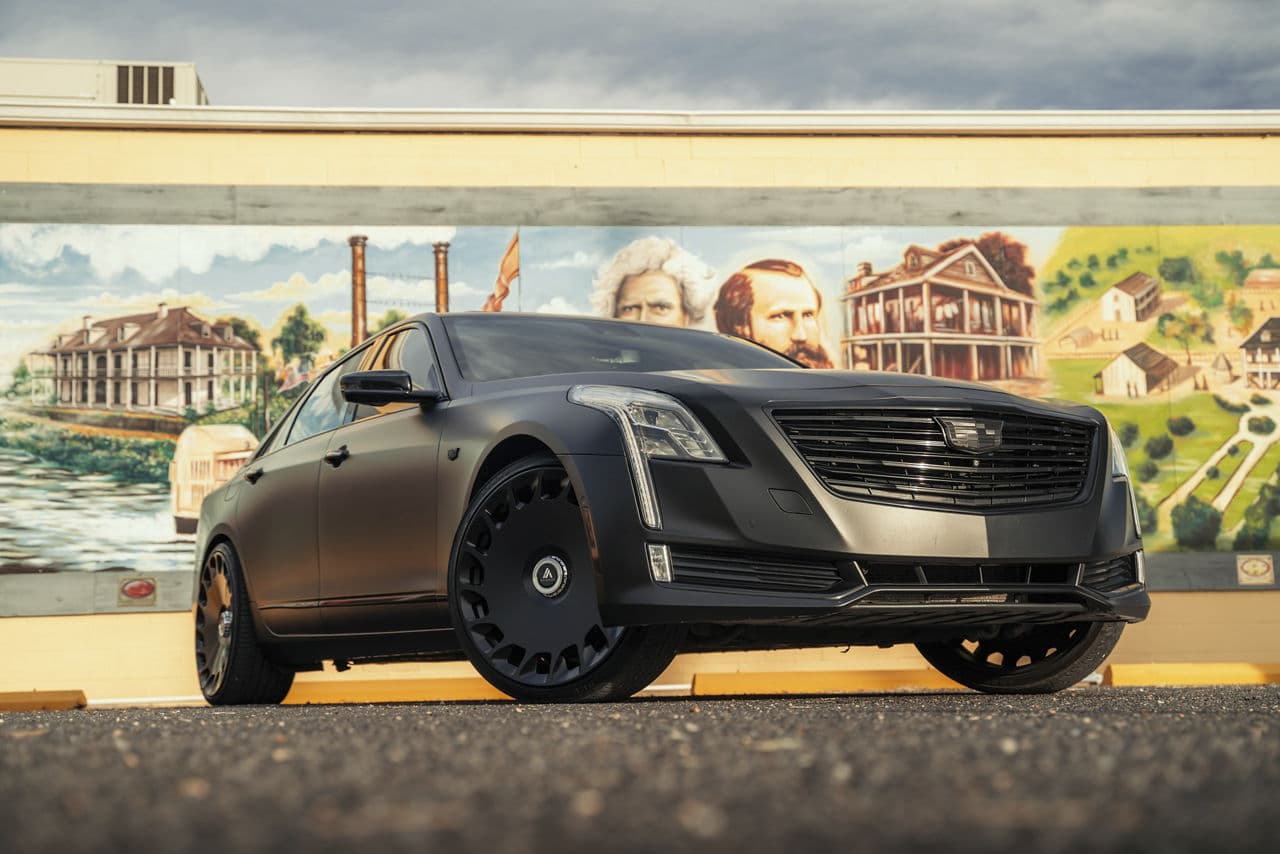
Recent Transformations
Got Questions?
Frequently Asked Questions
Pairs Well With
Tint is one layer of the defense. These are the services customers most often bundle with it, and the guide we wrote for picking a percentage.
Get Started
Ready to Beat the
Texas Sun?
Get a free quote on ceramic window tint. We will recommend a VLT per window that fits how you drive, confirm it clears the Texas legal limit, and have your vehicle back to you the same day.