
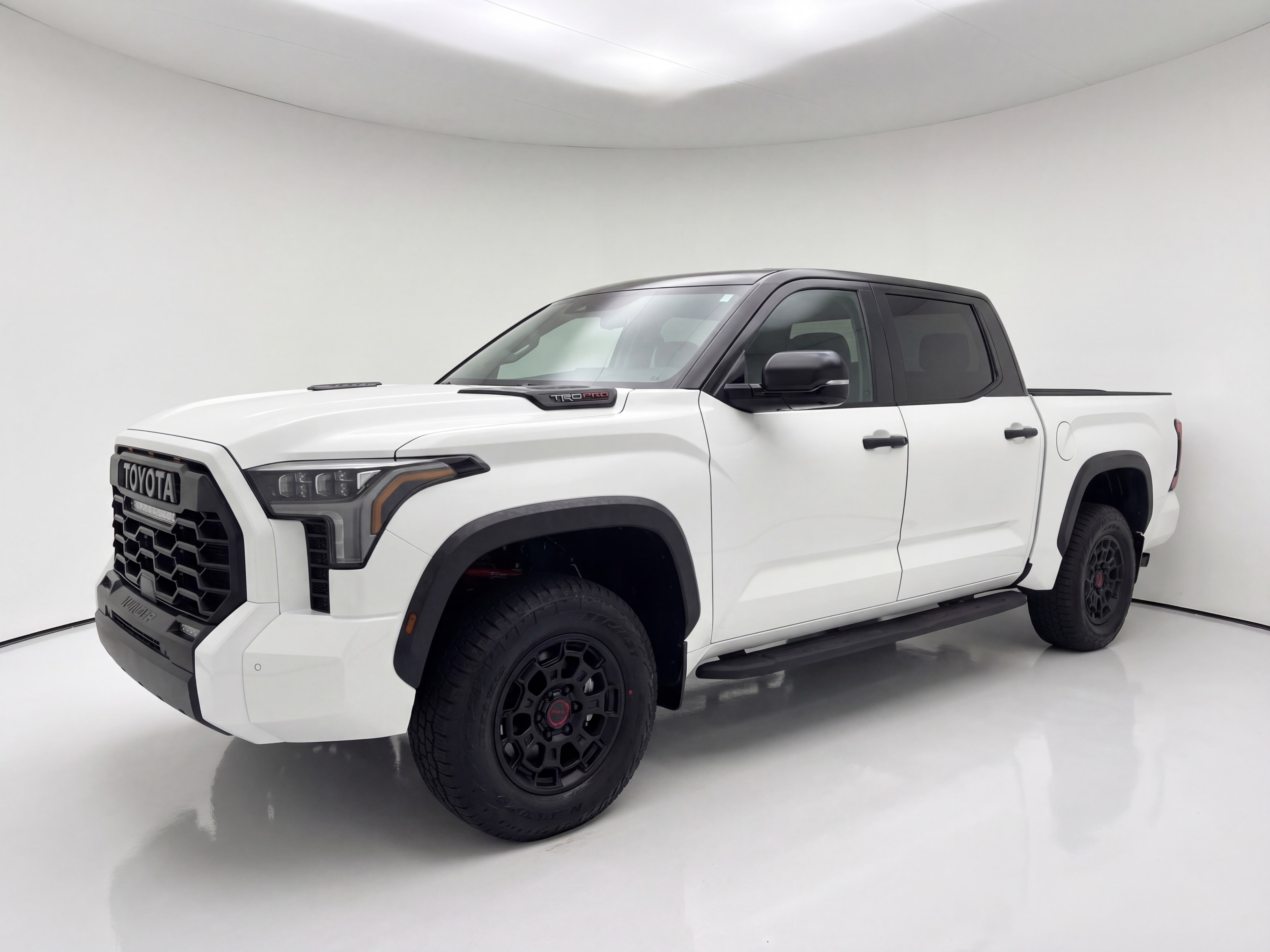
Two-ToneTuxedo Wraps
Roof, pillars, mirror caps, and upper accents wrapped in contrasting gloss or satin black — your lower body color stays untouched. We use cast vinyl from 3M 2080 and Avery Dennison SW900 exclusively, cut every transition with knifeless tape (never a blade on your paint), and post-heat every edge to 200°F so nothing lifts through Dallas-Fort Worth summers.
Tuxedo Finish Options
The finish you choose changes the entire character of the two-tone split. We carry every option in 3M 2080 and Avery SW900 cast film — the only materials we trust on compound pillar curves in the Texas heat.
Gloss Black Tuxedo
High-gloss black creates a panoramic-glass illusion — the roof visually disappears. 3M 2080 Gloss Black (G12) with deep wet-look finish, 7-year durability. Ideal for white, silver, and bright vehicles where maximum contrast is the goal.
Satin / Matte Black Tuxedo
Satin black absorbs light for a stealth-fighter aesthetic. 3M 2080 Satin Black (S12) or Avery SW900 Matte. Hides minor imperfections better than gloss and won't water-spot from Dallas-Fort Worth's hard water.
Custom Two-Tone
Not every tuxedo has to be black. Carbon fiber texture for a motorsport look, color-matched contrasts (grey on white, bronze on black), or color-shift films for a one-of-a-kind build. Same knifeless-tape precision — different palette.
The Metroplex Advantage
Why Choose
Metroplex?
Pillars are the hardest panels on any vehicle to wrap — tight curves around window rubber, deep channels, and zero margin for error because the cut line is visible from every angle. Our 3M and Avery certified installers have wrapped hundreds of pillar sets.
Knifeless Tape Transitions
3M knifeless tape with an embedded monofilament cutting line — pull the filament, vinyl separates cleanly, zero blade contact with your clear coat. Blade cuts create micro-scratches that compound over time.
Full Component Removal
We remove antennas, roof rails, mirror caps, and pillar garnishes before wrapping so vinyl tucks behind every edge. Zero visible seams, zero future lifting points — factory finish, not aftermarket.
Post-Heat Every Pillar Edge
Every edge and channel post-heated to 180–200°F to activate the adhesive's memory. This prevents the lifting that plagues pillar wraps in Dallas-Fort Worth's 60°F-to-105°F daily temperature swing.

Knifeless tape isn't optional on a tuxedo wrap — it's mandatory. The transition line sits in plain view on every pillar. Blade cuts score your clear coat; after six months of Texas sun, those micro-cuts oxidize into permanent white lines. We've seen it from other shops. The monofilament cuts the vinyl, not your paint.
The Process
Design Consultation
Assess body lines, discuss finish options, and map the two-tone transition along natural body creases for a factory-integrated look.
Component Removal & Prep
Remove roof rails, antennas, mirror caps, and pillar trim. Full decontamination wash, clay bar, and IPA wipe-down.
Precision Installation
Knifeless tape laid along every transition, vinyl heat-formed into recesses, and trimmed by pulling the filament — blade-free, paint-safe.
Post-Heat & Reassembly
Post-heat every edge to 180–200°F, reinstall all components, and final walk-around inspection for crisp transitions and sealed edges.
Avoid These Pitfalls
Common Mistakes We Fix
Tuxedo wraps are deceptively technical — the panels are small but the curves are extreme. These are the failures we see most often from other shops.
Blade Cutting on Color Transitions
Blade cuts along the transition line score your clear coat — after six months of Texas UV, they oxidize into permanent white lines. We use 3M knifeless tape on every transition.
Wrapping Over Pillar Trim Without Removal
Wrapping around pillar garnishes without removing them leaves exposed edges that lift within weeks. We remove every garnish so vinyl tucks behind the trim, not against it.
Calendared Vinyl on Tight Pillar Curves
Calendared vinyl's molecular memory pulls it off tight pillar curves after thermal cycling. We use cast films only (3M 2080, Avery SW900) — zero shrinkage memory.
Skipping Post-Heat on Pillar Tucks
Skipping post-heat on pillar tucks causes lifting within 2–4 weeks in Dallas-Fort Worth's 60°F-to-105°F temperature swings. We post-heat every edge — no exceptions.
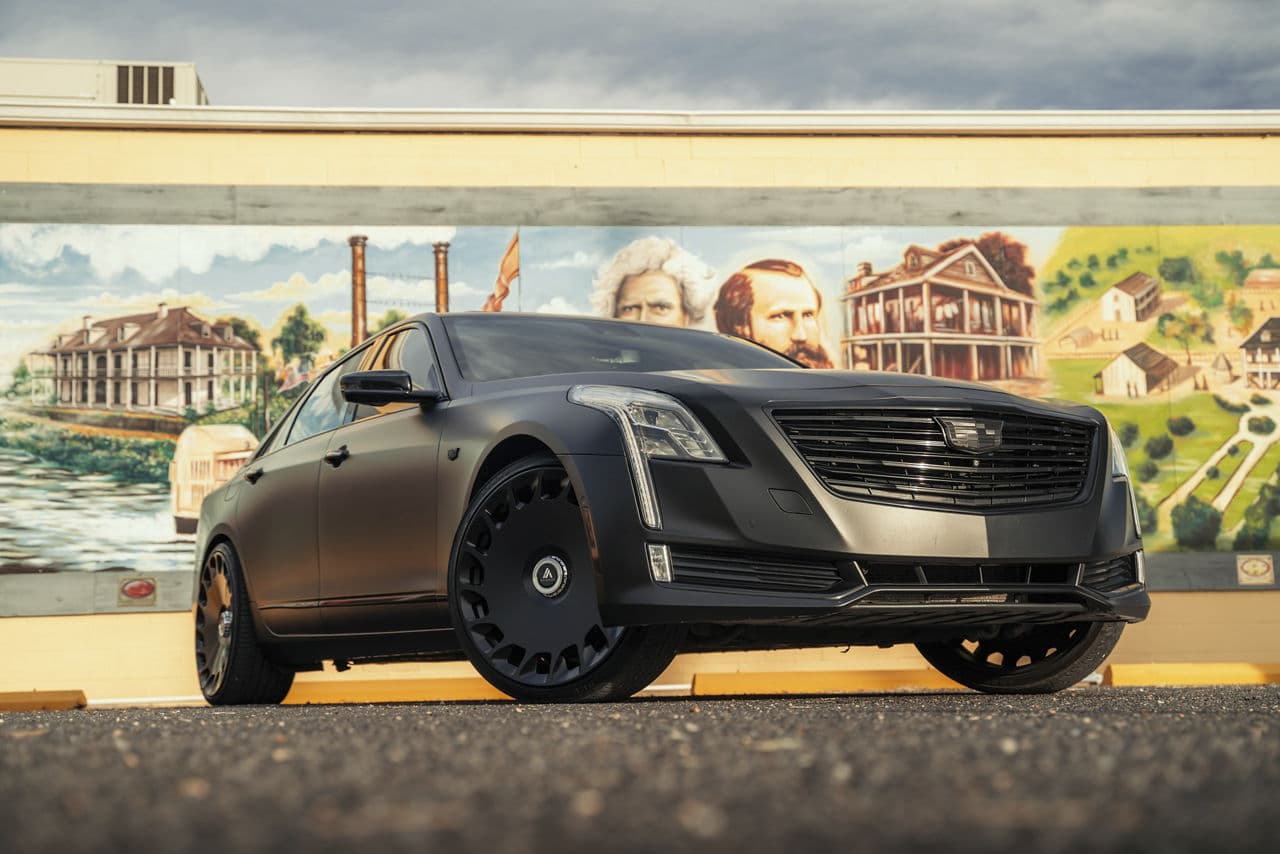
Our Portfolio
Recent Transformations


Got Questions?
Frequently Asked Questions
Get Started
Ready for the
Tuxedo Treatment?
Get a free, no-obligation quote for your tuxedo wrap project. We'll walk you through finish options, map the transition lines on your specific vehicle, and give you a realistic timeline — typically 1–3 days depending on complexity.