
Truck & SUVWheels & Fitment
Truck and SUV wheels aren't cosmetic upgrades — they're load-bearing structural components. Whether you need off-road wheels for trail duty, Fuel rims for a lifted build, or heavy-duty 8x170 wheels for your Super Duty, we spec every wheel against your GAWR and verify offset and backspacing against your suspension geometry. If you're towing, hauling, or running 35"+ tires on Dallas-Fort Worth highways, the wheel has to be rated for the job.
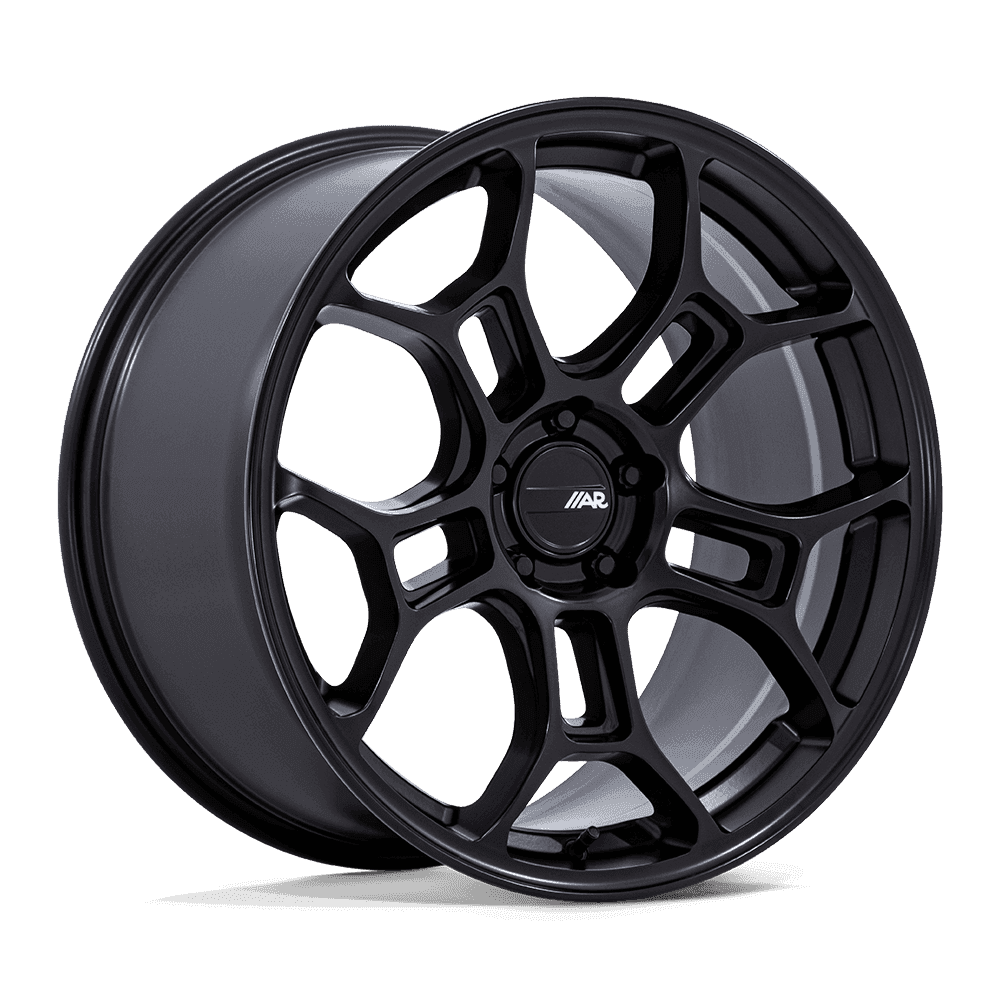
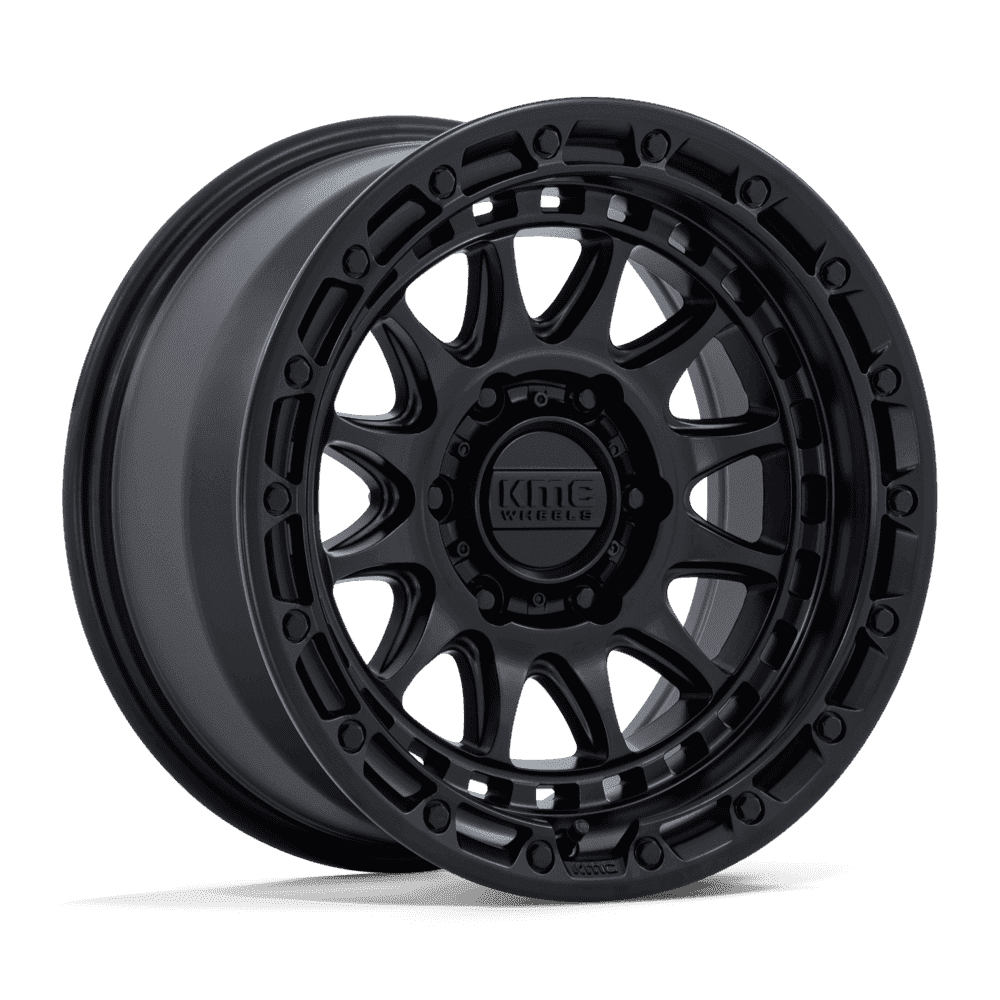
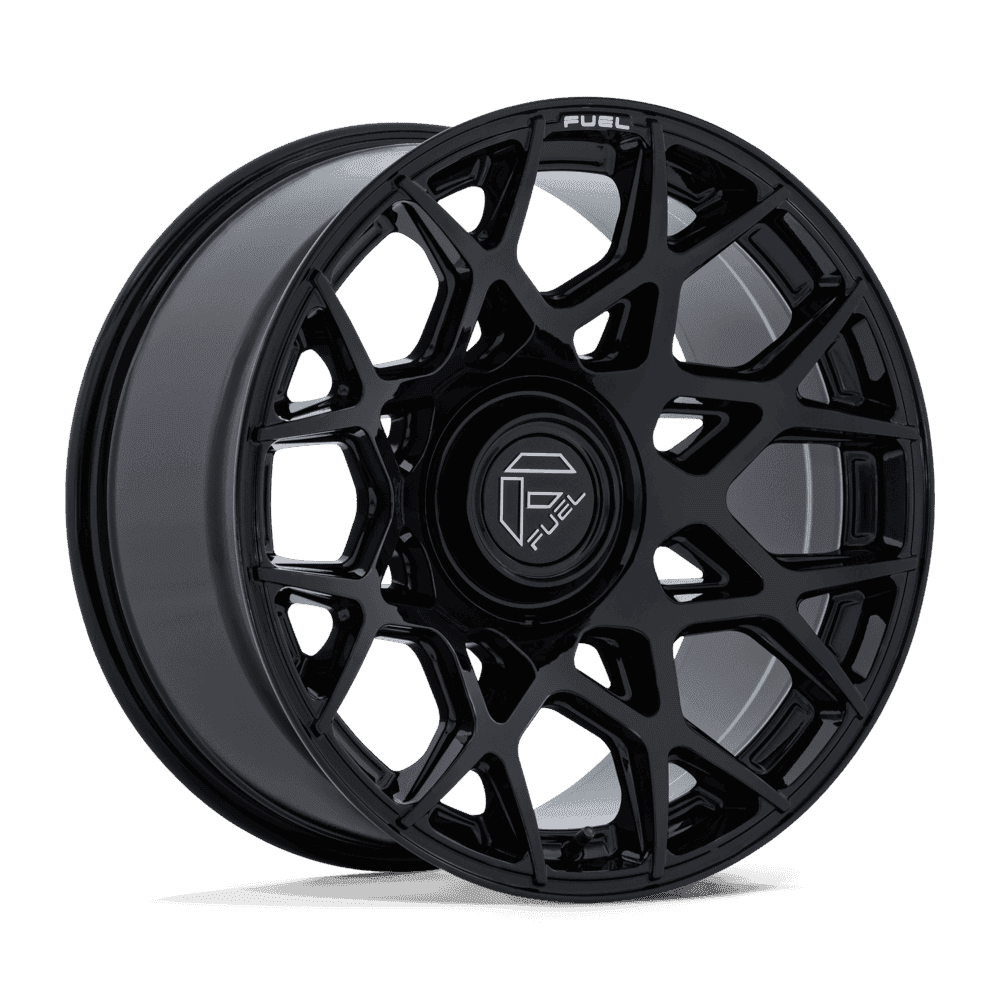
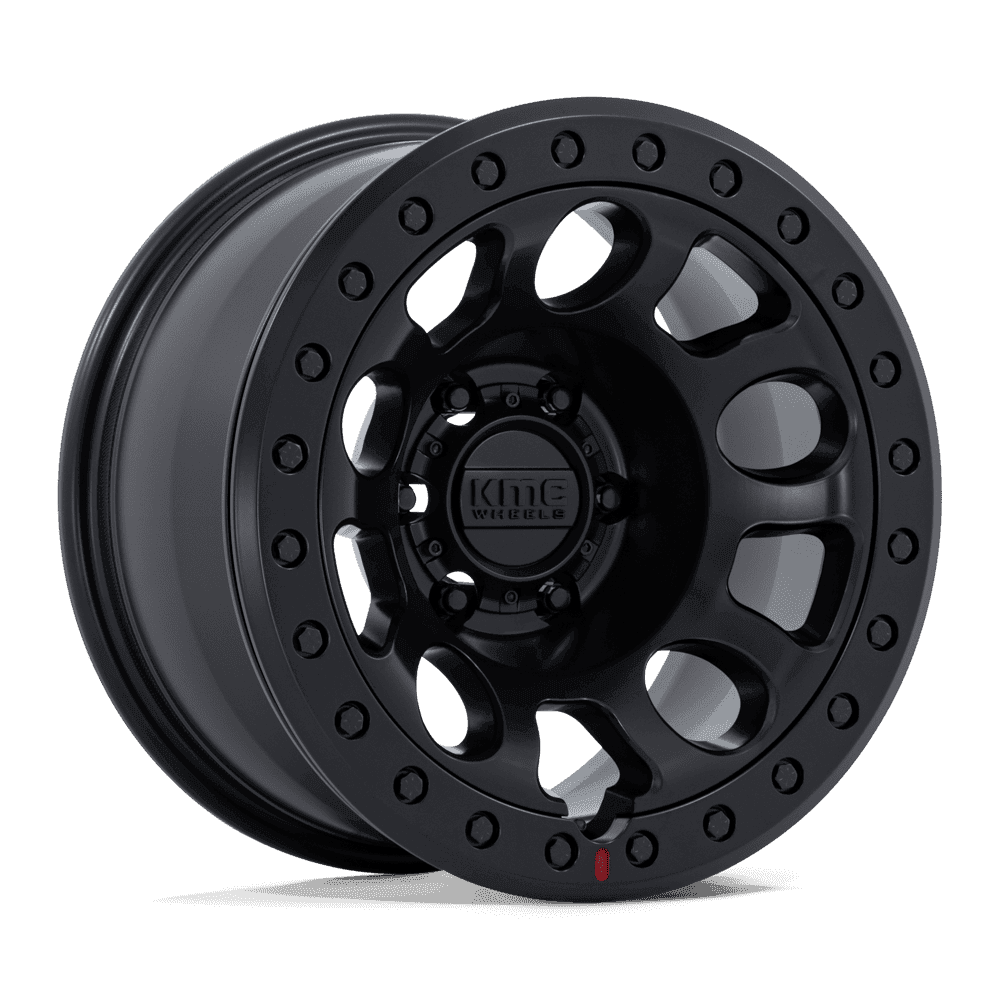
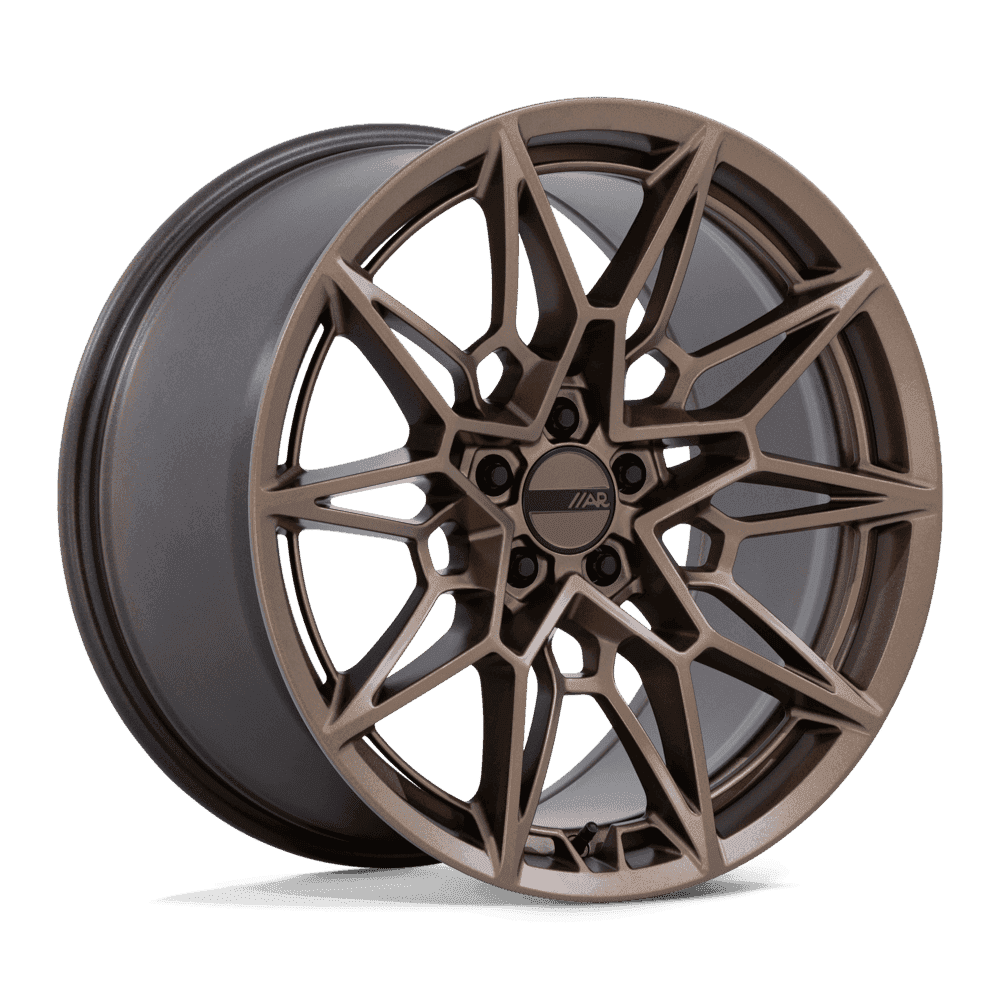
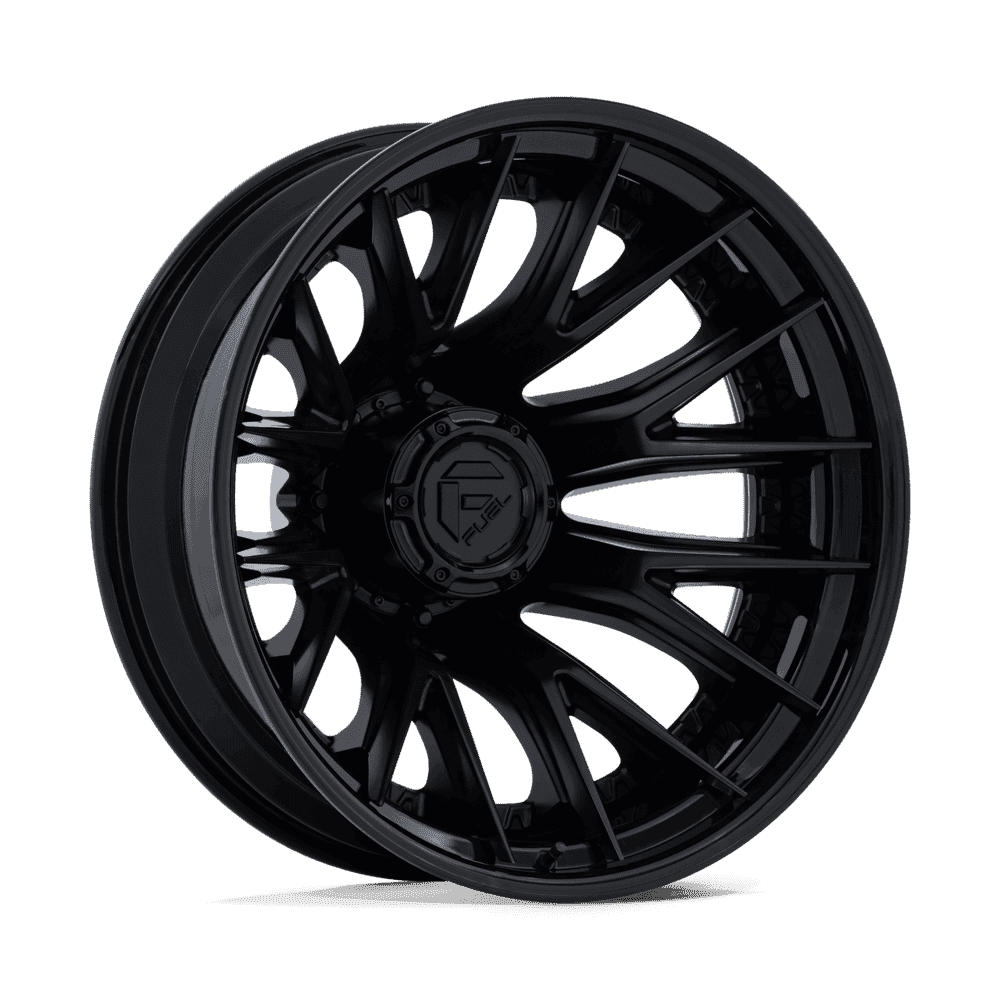
Preview Your New Wheels
Not sure how a set of wheels will look on your ride? Upload your vehicle and a wheel photo — our AI shows you a photorealistic preview before you commit.
Configuration
V 0.11Vehicle
2Wheel
3Wheel Size
Truck & SUV Wheel Packages
We don't sell wheels by looks alone. Every truck and SUV wheel we install is verified against your vehicle's Gross Axle Weight Rating, your towing requirements, and the Dallas-Fort Worth roads you actually drive on.
Daily & Highway
Cast and flow-formed wheels from Fuel Off-Road, Moto Metal, XD Series, and TIS Offroad in black rims, machined, and matte finishes. Load-rated for half-ton trucks (1,500–2,500 lb per wheel) with OEM-spec bolt patterns and hub bores. We verify offset against your factory spec to prevent premature bearing wear on I-35 commutes.
Towing & Hauling
Heavy-duty wheels rated for 3,500+ lb per wheel for 3/4-ton and 1-ton trucks. We calculate your minimum wheel load rating from your rear GAWR — if your rear axle is rated at 7,000 lbs, each wheel needs at least 3,500 lbs of capacity. Hub-centric mounting is mandatory on every build, and every set is Road Force balanced on our Hunter GSP9700.
Show & Competition
Forged 6061-T6 billet aluminum wheels from American Force and Weld Racing — 20–30% lighter than cast wheels with superior fatigue resistance. Custom offsets, multi-piece builds, and polished or powder-coated finishes. Ideal for show trucks that also tow or haul in the Dallas-Fort Worth area.
Truck & SUV Specialists Since 2016
Why Choose
Metroplex?
We've been fitting custom wheels on trucks and SUVs in the Dallas-Fort Worth area since 2016. Every wheel we sell goes through our load and fitment verification process — because a wheel that passes the bolt pattern test can still destroy your bearings, blow a tire under tow, or rub your control arms if the load rating, offset, or hub bore is wrong.
Load Capacity Verification
We calculate your minimum wheel load rating from your vehicle's GAWR before recommending anything. If your rear axle is rated at 6,000 lbs and you're towing with 1,200 lbs of tongue weight, each rear wheel needs to support over 3,600 lbs — not the 2,200 lb rating that came on the cheap wheels someone sold you online. We verify the stamped MAX LOAD on every wheel against your actual loaded weight.
Hub-Centric-Only Mounting Policy
Every aftermarket wheel we install gets properly sized hub-centric rings — no exceptions. Lug-centric mounting on a 6,000+ lb truck forces the wheel studs to handle both centering and clamping, which leads to vibration at highway speeds and accelerated stud fatigue. Our hub-centric rings fill the gap between your hub diameter and the wheel's center bore, so the hub carries the load and the lugs provide clamping force — the way it's engineered to work.
Hunter Road Force Elite Balancing
Every tire and wheel assembly is balanced on our Hunter Road Force Elite (GSP9700), which applies up to 1,250 lbs of roller force to simulate actual road load. Standard spin balancers only measure static imbalance — they miss radial force variations that cause steering wheel shimmy at 60+ mph. Our machine measures radial and lateral force variation to 0.002" accuracy and uses ForceMatch® to orient the tire's stiff spot opposite the rim's low spot.
Offset & Backspacing Engineering
We don't just pick an offset that "looks aggressive." Running a -12mm offset on a truck that came with +44mm from the factory moves the contact patch 56mm outward — that's a massive lever arm increase on your wheel bearings, ball joints, and tie rod ends. We've seen bearing failures at 20,000 miles on trucks with aggressive offsets that should have lasted 100,000+. We spec every offset change with the suspension load path in mind.
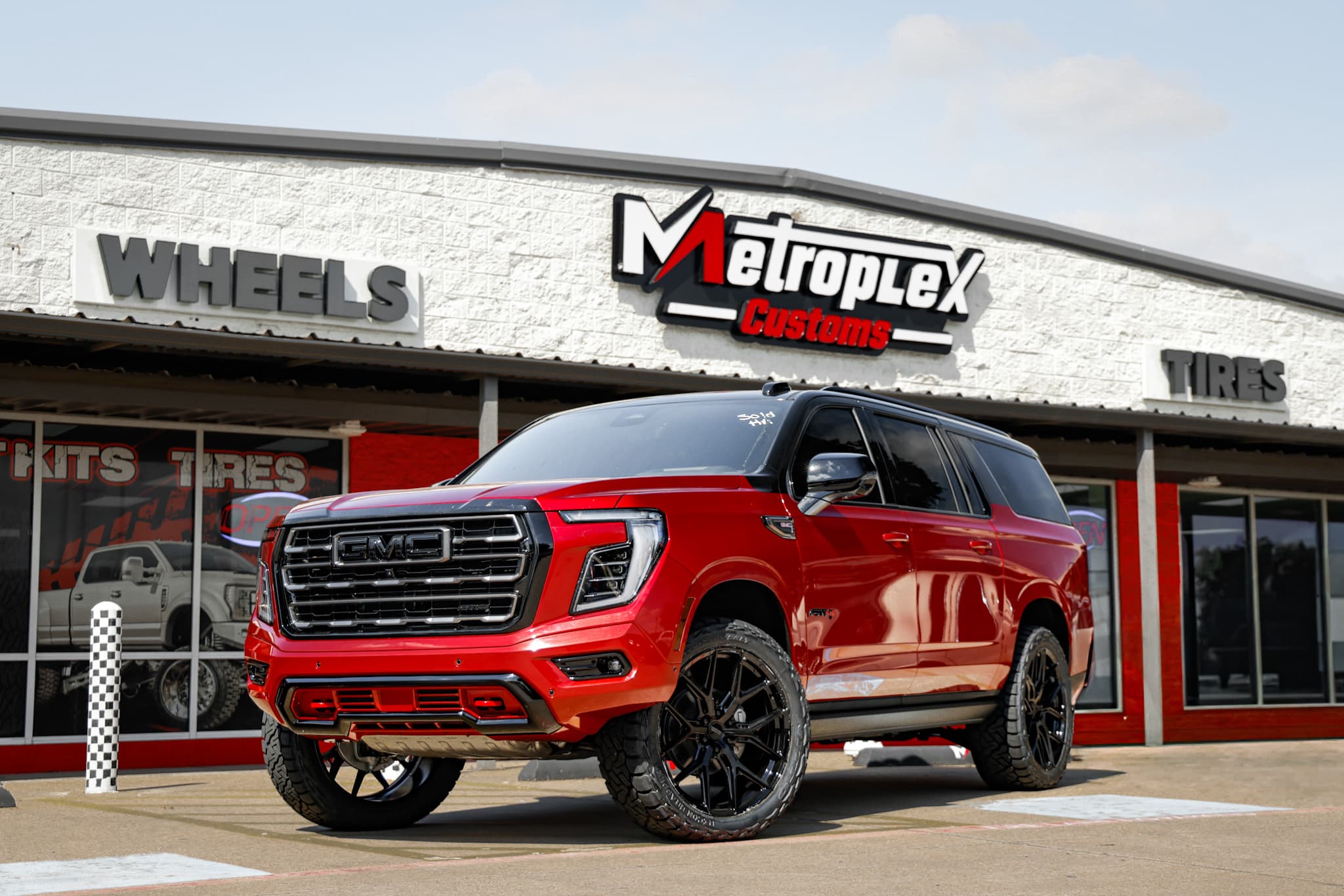
Wheel load ratings and tire load ratings are two completely separate specifications — and both have to meet or exceed your vehicle's GAWR. We see trucks come in with Load Range E tires (rated for 3,400 lbs each) mounted on aftermarket wheels that are only stamped for 2,200 lbs. The tire can handle the weight, but the wheel can't. Under sustained I-35 highway speeds with a loaded trailer, that's a structural failure waiting to happen. We check both ratings on every build.
Authorized Truck Wheel Dealer
Brands We Carry







The Process
Load & Tow Assessment
We pull your GAWR, calculate loaded weight including tongue weight, and determine your minimum per-wheel load rating. Bolt pattern, hub bore, offset, backspacing, and caliper clearance — all measured.
Spec & Order
We match load rating, bolt pattern, hub bore, and offset to your truck. Stamped MAX LOAD verified against your calculated requirement. Lug nut seat type confirmed before ordering.
Mount & Road Force Balance
Tires mounted and Road Force balanced to under 10 lbs of force variation on our Hunter GSP9700. TPMS reprogrammed. Hub-centric rings on every aftermarket wheel.
Torque & Verify
Lug nuts torqued to your vehicle's exact ft-lb spec with a calibrated wrench in a star pattern. Test drive for zero vibration. Re-torque reminder at 50–100 miles.
Avoid These Pitfalls
Common Mistakes We Fix
We see these failures weekly on trucks and SUVs from online wheel purchases and shops that skip the engineering.
Lug-Centric Mounting on Heavy-Duty Trucks
On a 7,000+ lb truck, lug-centric mounting forces studs to center and clamp simultaneously. The wheel shifts off-center at speed, causing vibration no balancing can fix. We've seen elongated lug holes and fatigued studs — we hub-centric mount every build.
Ignoring Structural Load Limits While Hauling
Wheels stamped for 2,200 lbs on a truck with a 7,000 lb rear GAWR are under-rated by 1,300+ lbs per wheel. Add tongue weight and Texas summer heat, and you're past the structural limit every tow. We only sell wheels that exceed your calculated load.
Wrong Lug Nut Seat Profile
Conical, mag/shank, ball, and flat seat lug nuts are not interchangeable. Wrong seat type creates point-contact instead of full-surface clamping — wallowing out lug holes and risking wheel separation at highway speed. We verify and supply correct hardware on every install.
Our Portfolio
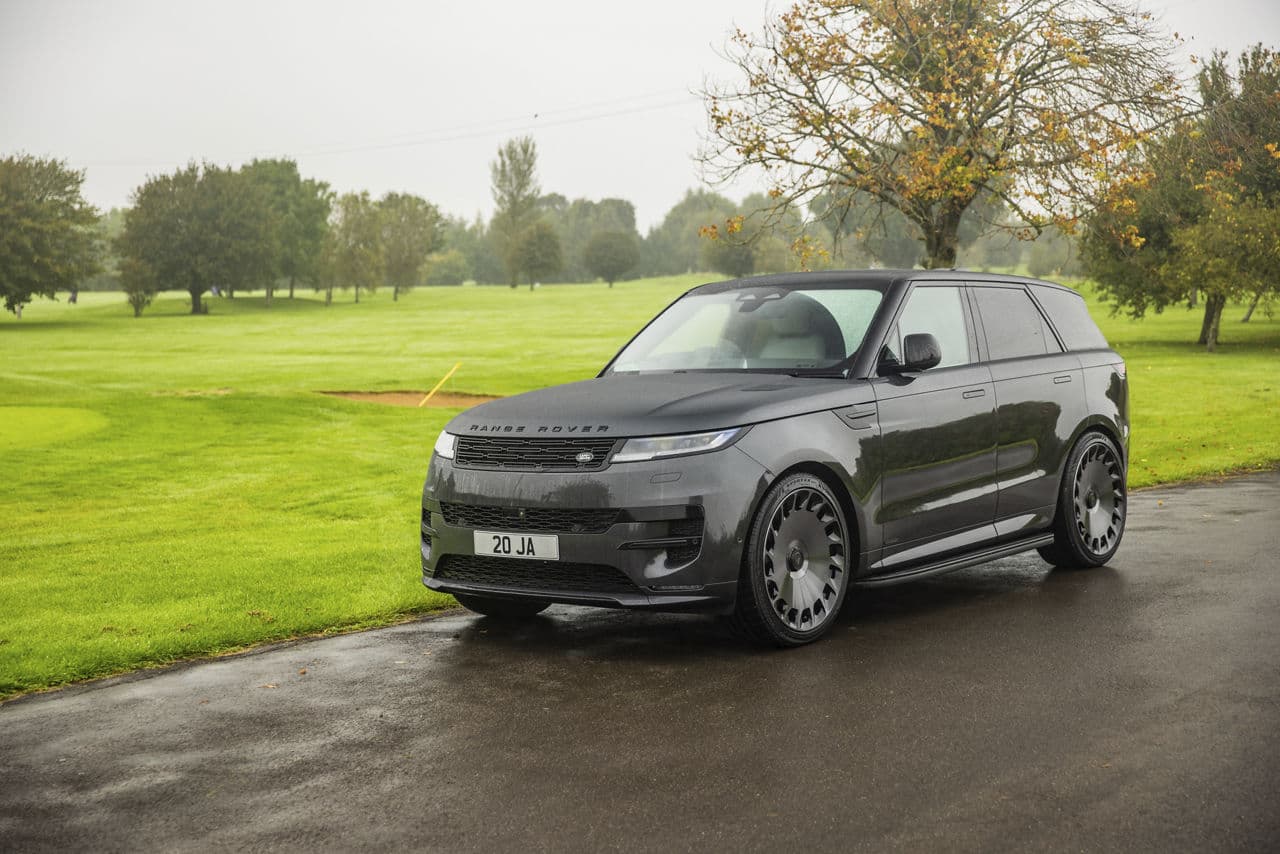
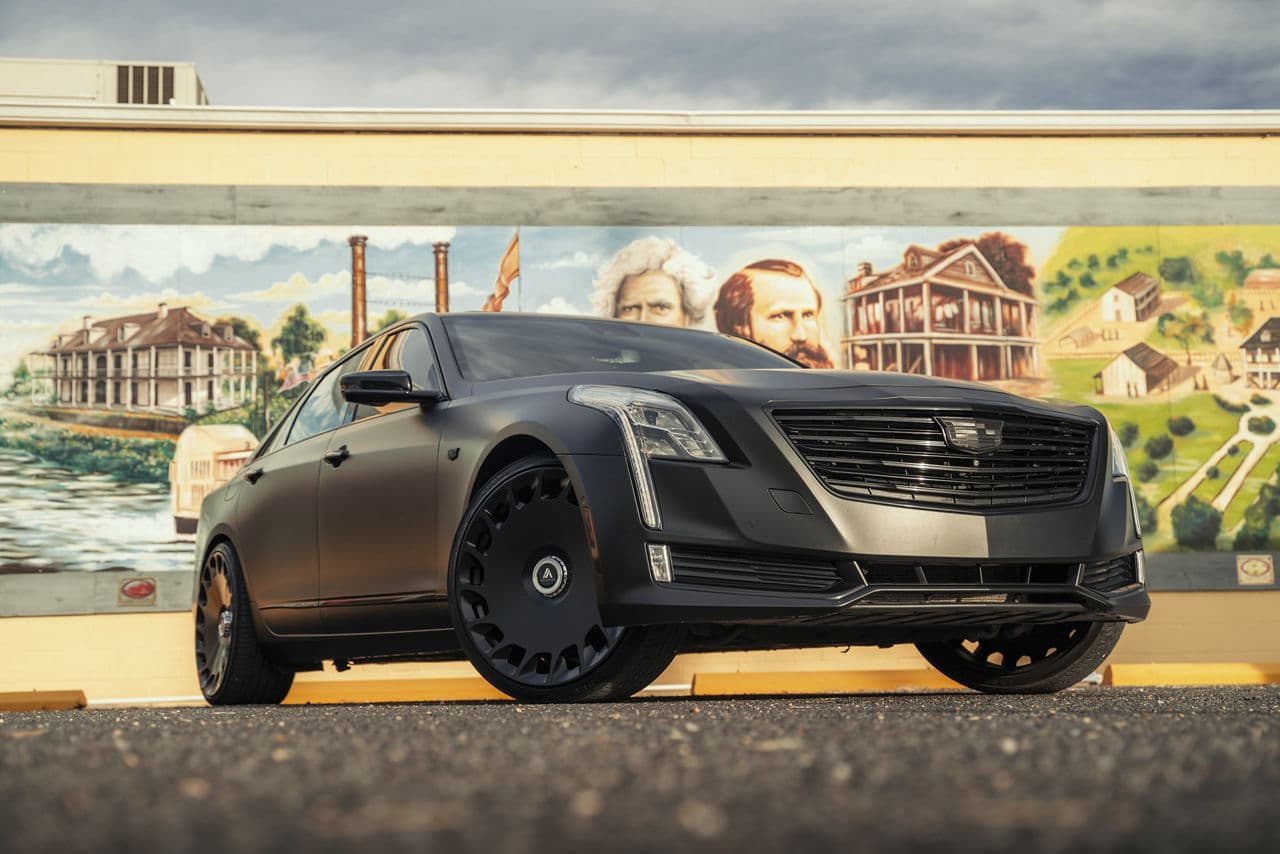
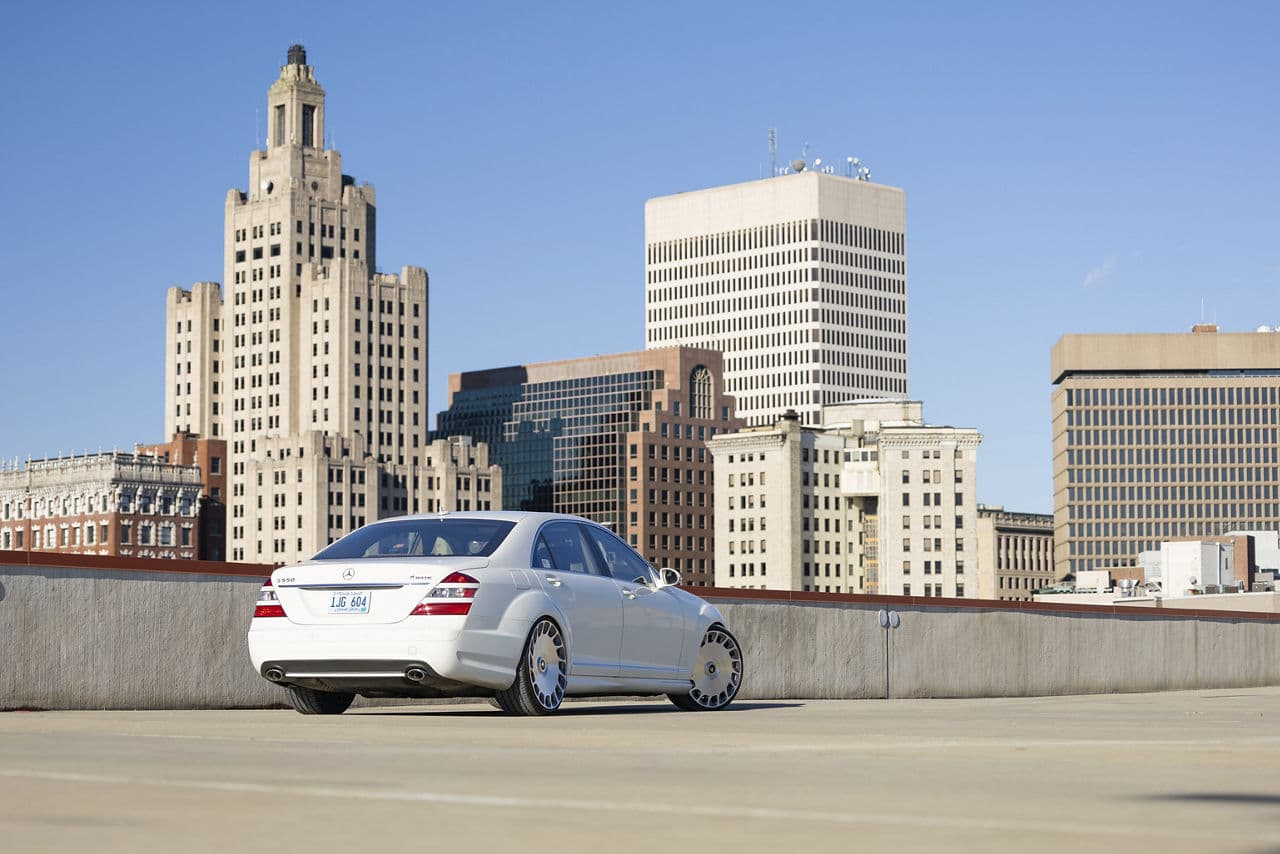
Recent Transformations
Got Questions?
Frequently Asked Questions
Get Started
Ready to Upgrade Your
Truck Wheels?
Get a free, no-obligation quote on load-rated wheels for your truck or SUV. We'll verify fitment, calculate your load requirements, and have you rolling with zero vibration — built for Dallas-Fort Worth roads and Texas towing.