What Is a Body Lift Truck? Suspension vs. Body Lifts
Date Published
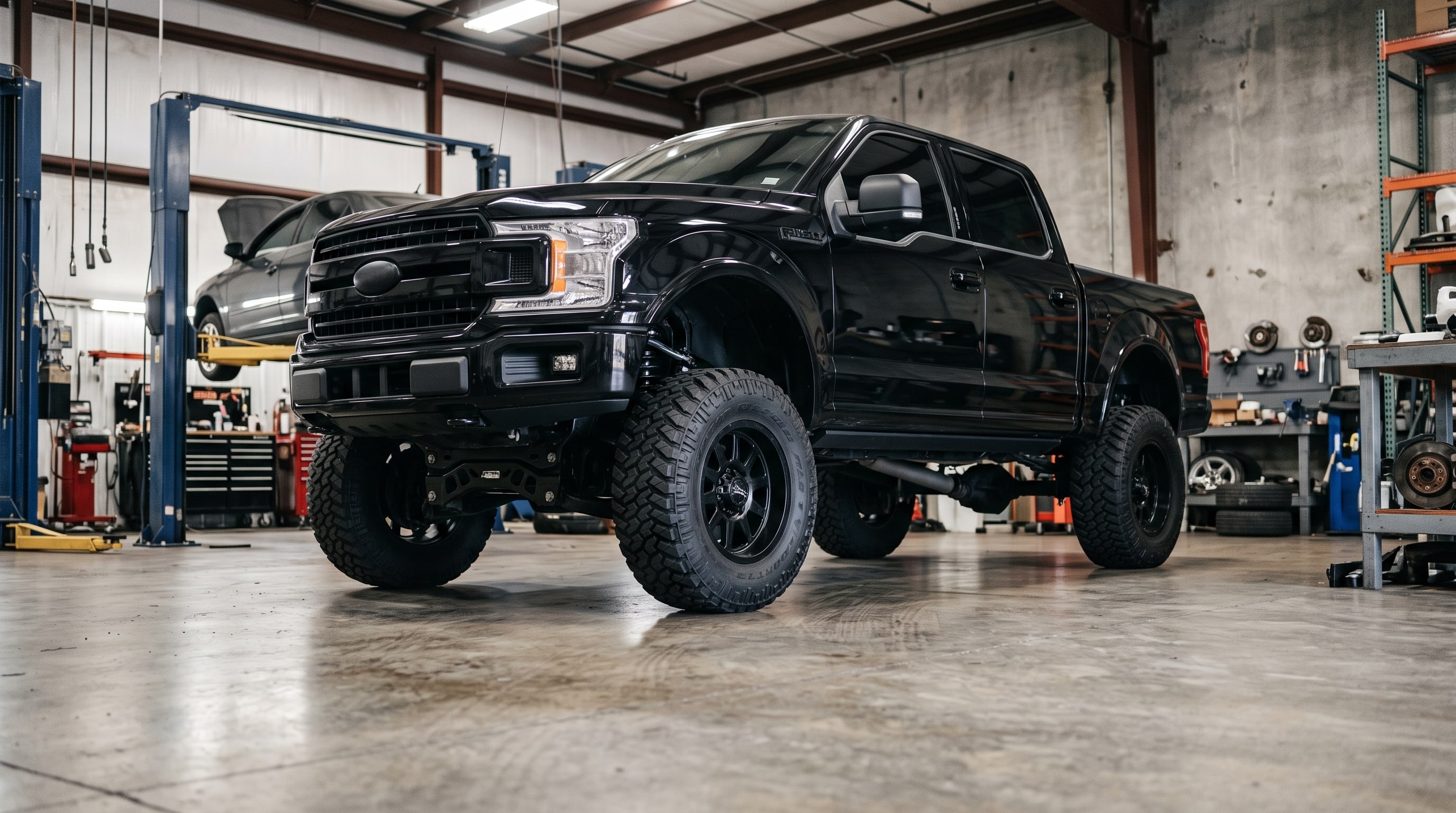
Our shop sees it every week: a driver wants to clear 35-inch tires on their 2022 Ram 1500 but doesn't want to spend thousands on a full suspension overhaul. They ask us if a body lift is a good alternative to a traditional lift kit. It's a valid question, especially when trying to balance a build budget with an aggressive look.
- Keeps your factory ride quality intact.
- Cheaper than a suspension lift, but does not increase ground clearance for the frame.
What a body lift truck actually is
Unlike a traditional suspension lift that replaces shocks and springs, a body lift simply adds space between your vehicle's frame and its body. Our team in Irving installs polyurethane or aluminum spacer blocks at the factory body mount locations. This raises the sheet metal higher into the air while leaving the chassis, engine, and suspension exactly where the manufacturer put them.
Think about a lifted Jeep Wrangler. If a driver wants to look at truck lift kit installations to fit bigger mud tires, they have two paths. A 4 inch lift kit for the suspension changes the geometry of the axles and steering. A body lift just stacks pucks under the tub. You get the visual height and fender clearance for larger tires without altering how the vehicle absorbs bumps on your daily commute.
How it works
Building a body lift truck is straightforward in concept but requires careful execution. Trucks and body-on-frame SUVs have a heavy steel ladder frame. The cab and the bed sit on top of this frame, attached by rubber body mounts. We unbolt the body from the frame, jack the body up a few inches, and slide heavy-duty spacers onto those mounting points.
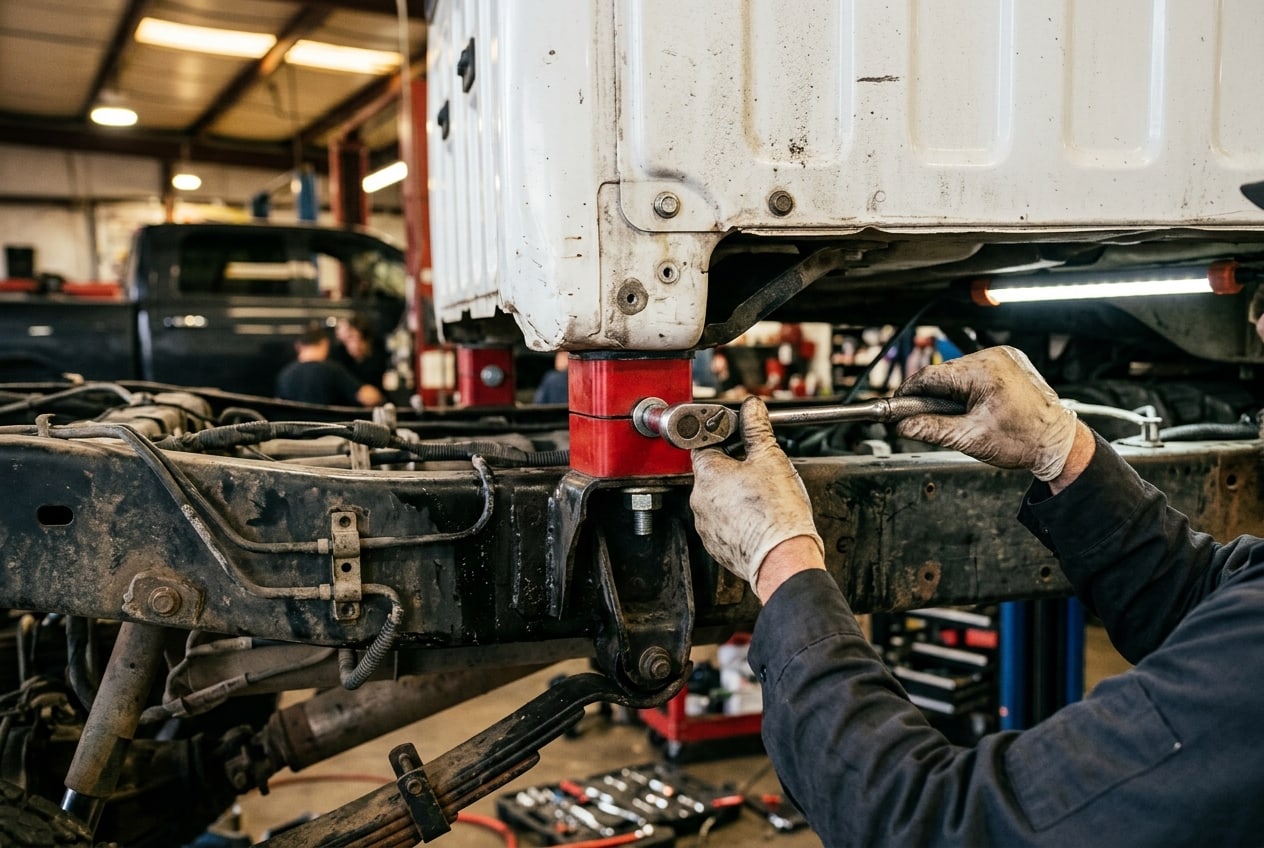
We then bolt everything back down using longer, high-grade hardware. Since the body moves up but the engine and frame stay put, we also have to install extension brackets for the steering shaft, fuel filler neck, and bumpers. If we skip these extensions, the steering binds and the bumpers sit awkwardly low, exposing the frame rails.
A good analogy is wearing thick insoles inside your boots. Your feet sit higher off the ground, giving you a taller profile, but the actual sole of the boot has not changed. The truck's body sits higher, but the frame clearance remains identical to stock.
Why this matters
Cost and ride quality drive most drivers toward body lifts. A premium suspension system like a 6 inch lift kit or a full BDS lift kit setup will completely change how your truck handles. If you just want to fit 33s on a Nissan Frontier lift kit build for daily driving, a body lift saves you thousands of dollars in parts and labor.
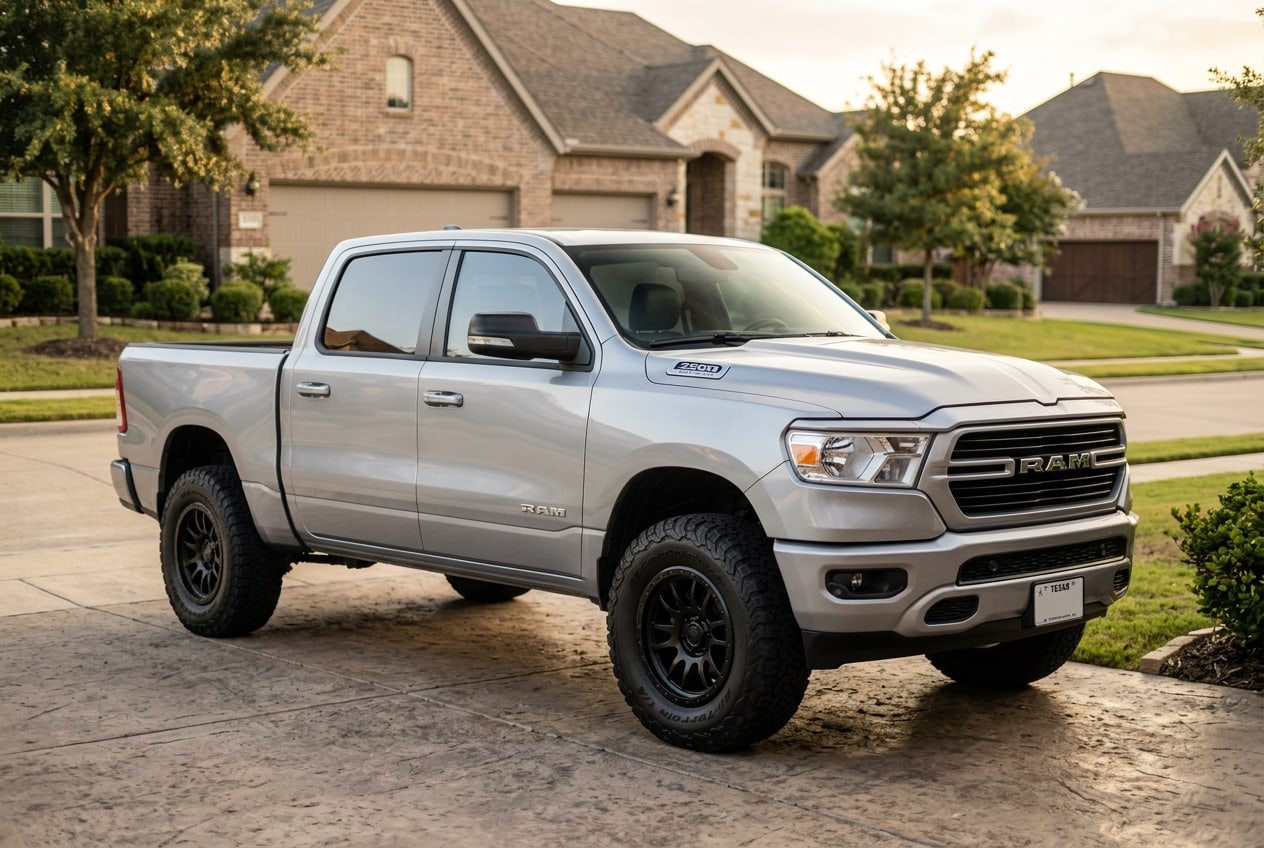
Because you keep the factory shocks and coil springs, the truck rides exactly like it did rolling off the dealership lot. You won't feel any extra harshness hitting the expansion joints on the highway. However, because the frame stays at stock height, you do not gain any actual ground clearance for serious off-roading. The only clearance gain comes from the taller tires you can now fit on your custom truck wheels.
Common misconceptions
- Myth: Body lifts make your truck flip over easier. Fact: Body lifts actually keep the heaviest parts of the truck (frame, engine, transmission) low to the ground, maintaining a lower center of gravity than a suspension lift of the same height.
- Myth: You can stack a 3 inch lift kit for the body on top of a massive suspension lift safely. Fact: Stacking extreme lifts creates excessive stress on steering components and body mounts; we recommend keeping body lifts to 1.5 to 2 inches if combining them with suspension kits.
- Myth: Body lifts are only for cheap builds. Fact: Many high-end Jeep Gladiator lift kit setups use a small 1-inch body lift to clear 37-inch tires while keeping suspension geometry tight for highway driving.
Frequently Asked Questions
How much does a body lift cost compared to a suspension lift?
A standard body lift kit runs $200 to $500 in parts, plus about $500 to $800 in labor depending on the vehicle. A full suspension lift easily costs $1,500 to $4,000 or more installed.
Will a body lift void my factory warranty?
It typically only voids the warranty on the specific parts replaced or affected by the lift, like the body mounts or steering shaft extensions. Your engine and transmission warranties remain intact.
Do I need new shocks with a body lift?
No. Because a body lift truck retains its factory suspension, your stock shocks and struts stay exactly where they are. If you want to upgrade your ride quality later, you can always ask our shop about our truck suspension upgrade options.
Metroplex Customs — Irving, TX
325 S Belt Line Rd, Irving, TX 75060
Call (972) 399-0378 — Fixing Rides Since 2016. Ask about Acima no-credit-needed financing.
Get My Free QuoteComments
No comments yet. Be the first to comment!